Many foods high in antioxidants are easy to find in Singapore: guava, papaya, oranges, dragon fruit, kang kong, bayam, sweet potato leaves, tomatoes, purple sweet potato, peanuts, green tea and kopi. The simplest way to eat more of them is to follow the Health Promotion Board's advice of two servings of fruit and two servings of vegetables a day, choosing a mix of colours.
Key takeaways
-
Antioxidants are compounds in food, such as vitamin C, vitamin E, carotenoids and polyphenols, that help protect your cells from oxidative stress.
-
HPB recommends 2 servings of fruit and 2 servings of vegetables daily; a serving of fruit is about one small apple, orange or mango (130g).
-
Deeply coloured fruit and vegetables tend to be good sources, so eating a range of colours covers more types.
-
Wet markets, supermarkets and hawker centres all stock antioxidant-rich options at everyday prices.
-
Whole foods come first. Supplements can sit alongside a balanced diet, not in place of it.
What are antioxidants and why do they matter?
Antioxidants are natural compounds that help protect your cells from damage caused by unstable molecules called free radicals. Your body makes some of its own, and the rest comes from food.
Free radicals form during normal processes like breathing and digesting food. They also build up with sun exposure, smoking and pollution. When there are more free radicals than your body can handle, the result is called oxidative stress.
You will see a few main groups of antioxidants on food labels and in articles:
-
Vitamin C, found in guava, papaya, oranges and leafy greens.
-
Vitamin E, found in nuts, seeds and plant oils.
-
Carotenoids such as beta-carotene and lycopene, which give orange, red and dark green foods their colour.
-
Polyphenols, including flavonoids and anthocyanins, found in tea, coffee, berries and purple vegetables.
Which local fruits are high in antioxidants?
Guava, papaya, oranges, dragon fruit and pomelo are good everyday choices, and all are easy to buy in Singapore. Pick the ones you enjoy, because you will eat them more often.
|
Fruit |
Main antioxidants |
Easy way to eat it |
|---|---|---|
|
Guava (jambu batu) |
Vitamin C; pink guava also has lycopene |
Sliced as a snack, or in rojak |
|
Papaya |
Vitamin C, beta-carotene, lycopene |
Breakfast, or cut fruit from the hawker stall |
|
Oranges and mandarin oranges |
Vitamin C, flavonoids |
Whole, not juiced, to keep the fibre |
|
Red dragon fruit |
Betalains (red pigments), vitamin C |
Cubed with yoghurt |
|
Pomelo |
Vitamin C, flavonoids |
Segments as a snack or in salad |
|
Watermelon |
Lycopene |
Chilled on a hot afternoon |
|
Mango |
Vitamin C, beta-carotene |
Half a small mango as dessert |
A practical tip: the cut fruit stall at your hawker centre is one of the easiest places to get your two servings. A plate of papaya and guava counts.
Which local vegetables are high in antioxidants?
Dark leafy greens, tomatoes, carrots and purple or orange root vegetables are the standouts. They are staples at wet markets and in zi char and economy rice dishes.
-
Kang kong, bayam (amaranth), chye sim and sweet potato leaves. Dark greens supply vitamin C, beta-carotene and other carotenoids. Stir-fry them with garlic rather than sambal belacan if you are watching your salt.
-
Tomatoes. A good source of lycopene. Cooking tomatoes with a little oil, as in a tomato egg stir-fry, makes lycopene easier for your body to absorb.
-
Carrots and pumpkin. Rich in beta-carotene. Add them to soups, porridge or curry.
-
Purple sweet potato (ubi) and brinjal. Their purple colour comes from anthocyanins, a type of polyphenol. Keep the brinjal skin on.
-
Red chilli and red capsicum. Both contain vitamin C and carotenoids.
HPB counts about ¾ mug of cooked vegetables (100g) as one serving. At an economy rice stall, two vegetable dishes gets you close to your daily target.
What about drinks, spices and snacks?
Green tea, kopi, turmeric, ginger, nuts and seeds all contribute polyphenols or vitamin E. They are easy additions that fit habits you already have.
-
Green tea and Chinese teas contain catechins, a group of polyphenols. Choose unsweetened or "kosong" versions.
-
Kopi contains polyphenols too. Ask for "siu dai" (less sugar) or "kosong" to cut added sugar.
-
Turmeric (kunyit) and ginger are common in local curries, soups and drinks.
-
Peanuts, almonds and sesame seeds provide vitamin E. A small handful of unsalted nuts is a good snack.
-
Dark chocolate with a high cocoa content has polyphenols. Keep portions small.
How can you add more antioxidants to your meals every day?
Build them into meals you already eat, using HPB's My Healthy Plate as a guide: fill half your plate with fruit and vegetables, a quarter with wholegrains and a quarter with protein.
Here is a sample day using food you can find at home or at a hawker centre:
-
Breakfast: wholemeal toast with half-boiled eggs, plus a cup of papaya. Kopi siu dai.
-
Mid-morning: a guava or an orange.
-
Lunch: yong tau foo with extra greens, or thunder tea rice (lei cha), which is packed with vegetables.
-
Afternoon: unsweetened green tea and a small handful of peanuts.
-
Dinner: brown rice, steamed fish, stir-fried kang kong and tomato egg.
Small switches add up. Swap one fried side for a vegetable dish, or choose cut fruit instead of kueh for dessert.
Can food and supplements work together?
Yes. Food should come first, because whole fruit and vegetables also provide fibre, water and many nutrients working together. A supplement can sit alongside a balanced diet if it suits your routine.
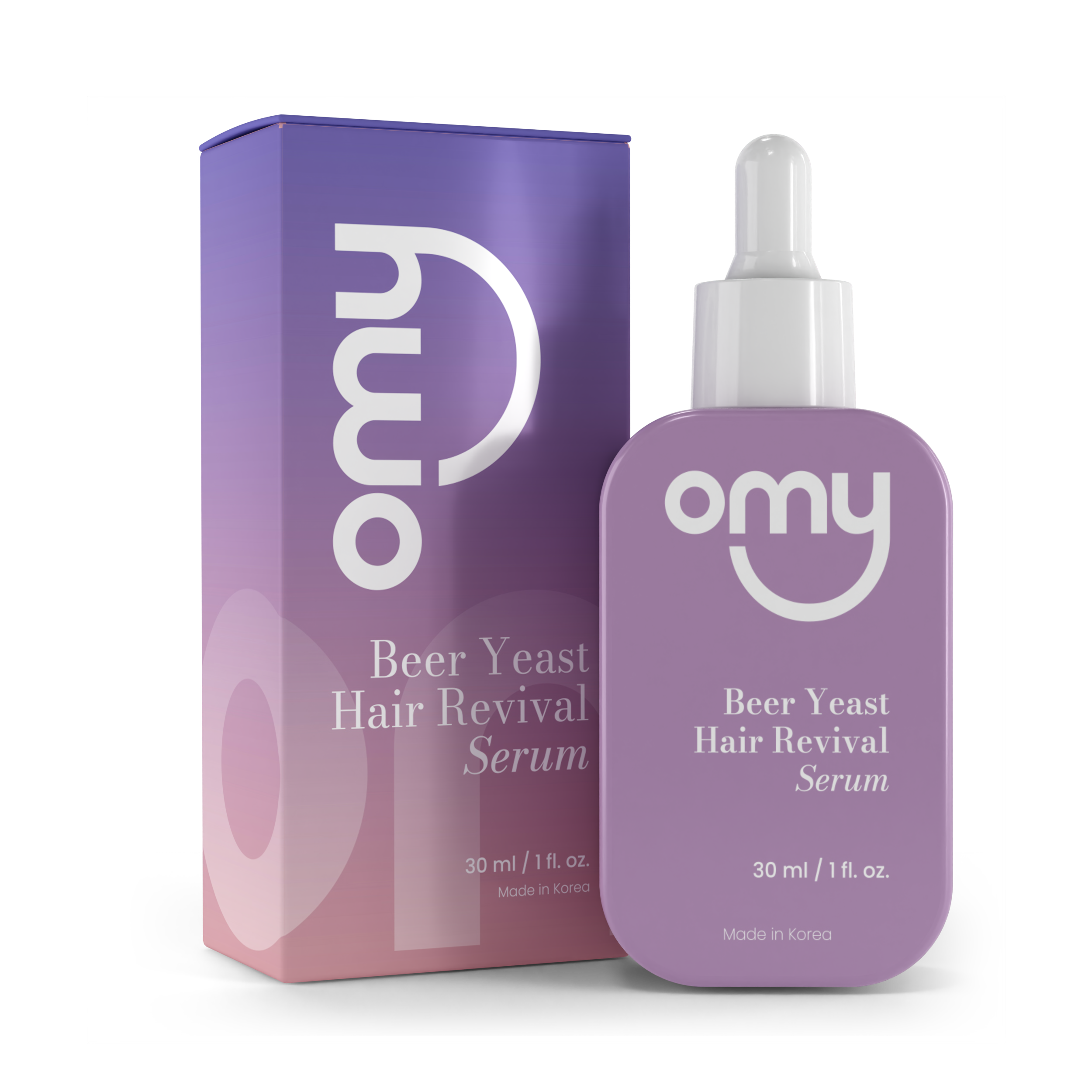
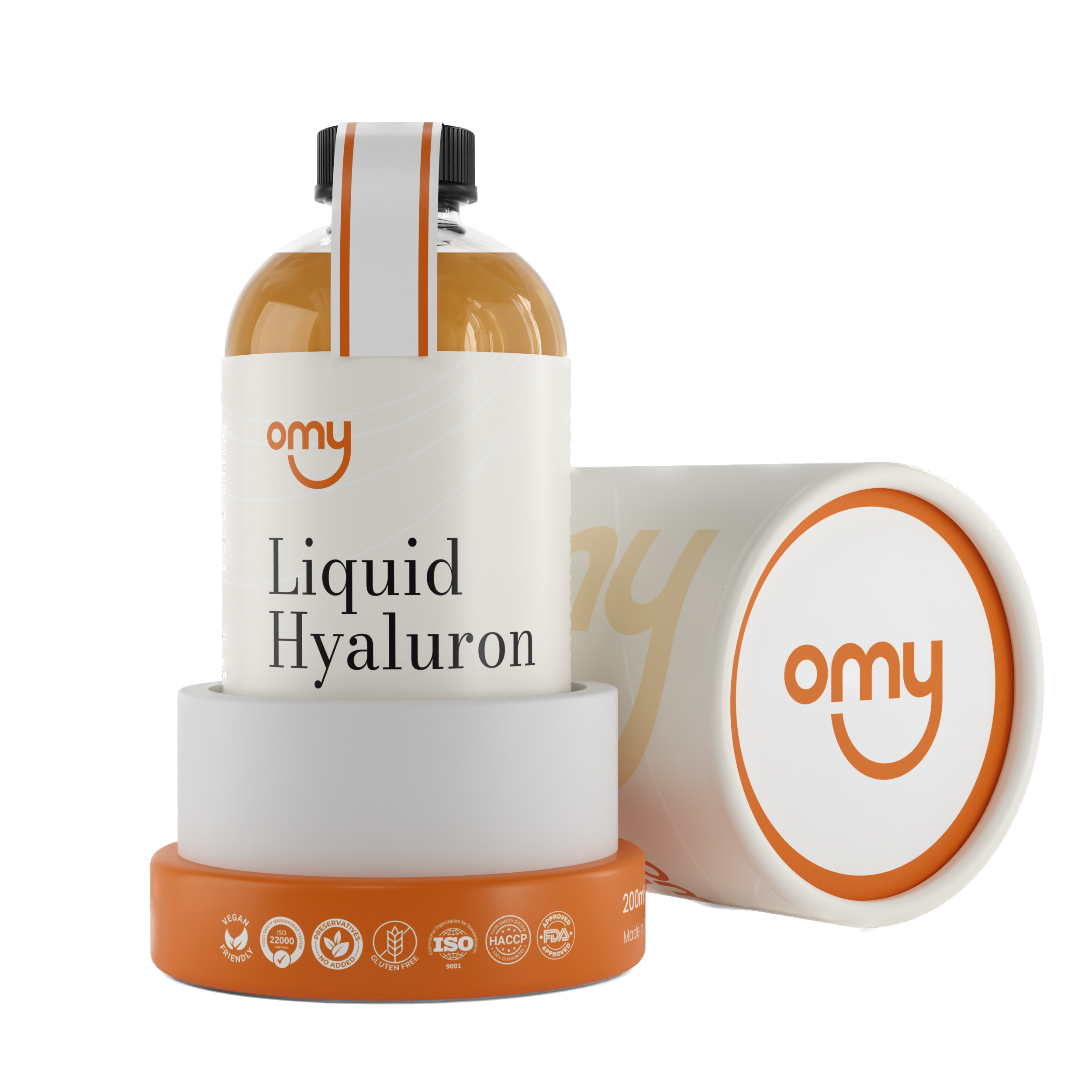
Many people who look after their diet also like a daily skincare-from-within habit. OMY's Liquid Hyaluron 2.0 is a drinkable supplement with marine collagen and hyaluronic acid that some people add to their morning routine, and you can read more about it in why hydrated skin starts from within. It is designed to be taken with, not instead of, a varied diet. Browse the OMY skin range or all OMY products to see what fits.
If you take medication, are pregnant or breastfeeding, or have a health condition, check with your doctor or pharmacist before adding any supplement.
When should you speak to a professional about your diet?
See a doctor or a registered dietitian if you have a medical condition, food allergies, unexplained weight changes or digestive symptoms, or if you are unsure your diet meets your needs. They can give advice that fits your health and lifestyle.
Frequently asked questions
Which fruit has the most vitamin C in Singapore?
Guava is one of the richest common sources of vitamin C and is sold at most supermarkets and wet markets. Papaya and oranges are also good sources.
Does cooking destroy antioxidants in vegetables?
Some, like vitamin C, drop with long cooking in lots of water. Others, like lycopene in tomatoes, become easier to absorb when cooked with a little oil. Quick stir-frying or steaming is a good balance.
Is kopi or teh high in antioxidants?
Both coffee and tea contain polyphenols. The added sugar and condensed milk are the bigger concern, so order siu dai or kosong.
How many servings of fruit and vegetables should I eat each day?
HPB recommends 2 servings of fruit and 2 servings of vegetables daily. One serving of fruit is about one small apple, orange or mango, and one serving of cooked vegetables is about ¾ mug.
Are frozen fruit and vegetables still a good source of antioxidants?
Yes. Frozen produce is usually frozen soon after harvest and can be a handy option. Choose plain versions without added sugar or sauces.
This article is general information about food and nutrition. It is not medical advice, and OMY products are not intended to diagnose, treat, cure or prevent any disease.